

Safety blog
Kelly Safety Blog – Safety Insights for OSHA, MSHA & Jobsite Culture
Welcome to the Kelly Safety Blog: your source for OSHA/MSHA updates, thinking tools, hazard prevention strategies, and safety culture insights tailored for contractors and safety professionals.
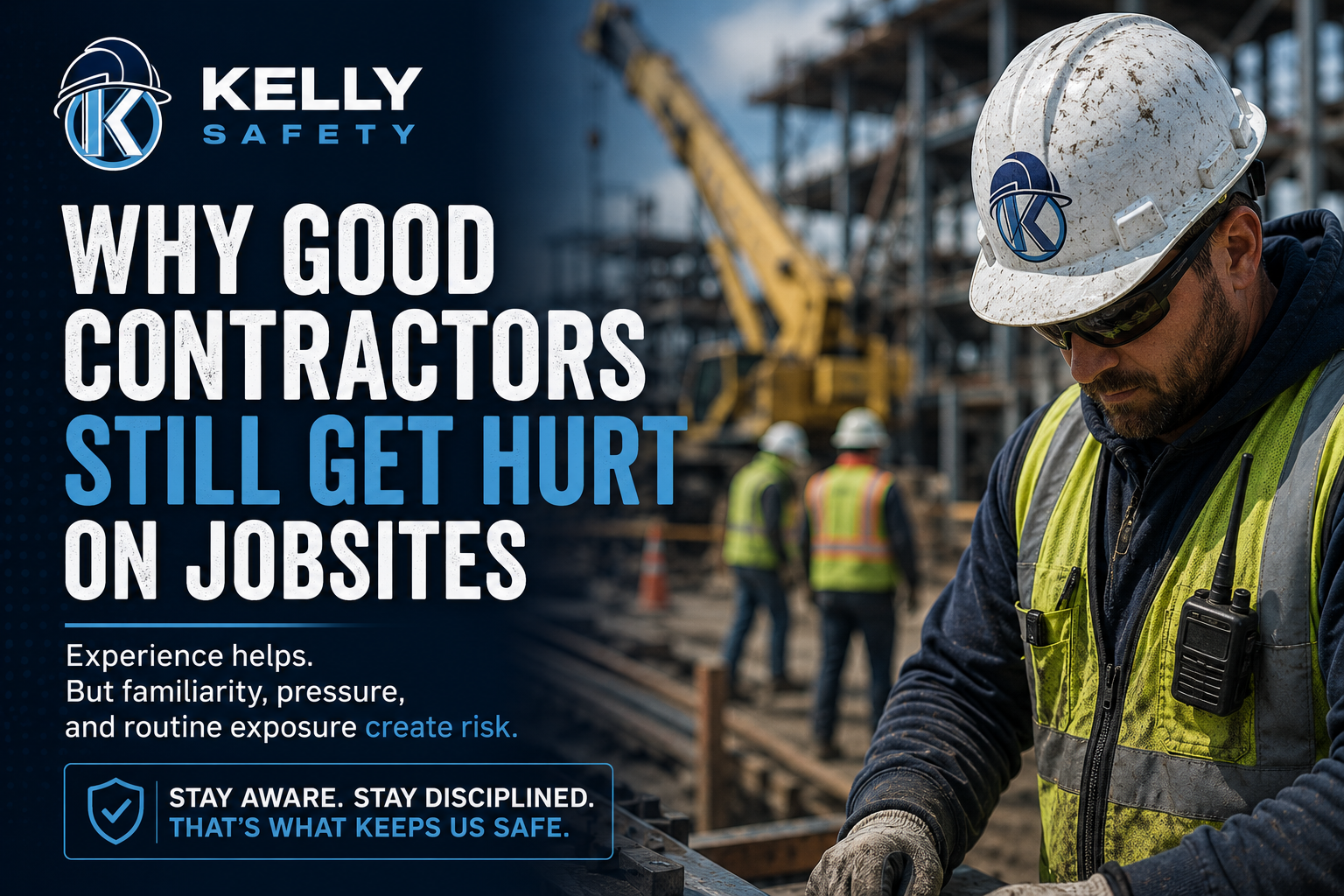
Why Good Contractors Still Get Hurt on Jobsites
Experience alone does not eliminate risk on a jobsite. As work becomes familiar, hazards can become normalized, causing workers to rely on routine instead of reassessing changing conditions around them. Many incidents involving experienced contractors are not caused by a lack of skill, but by familiarity, pressure, and repeated exposure over time.
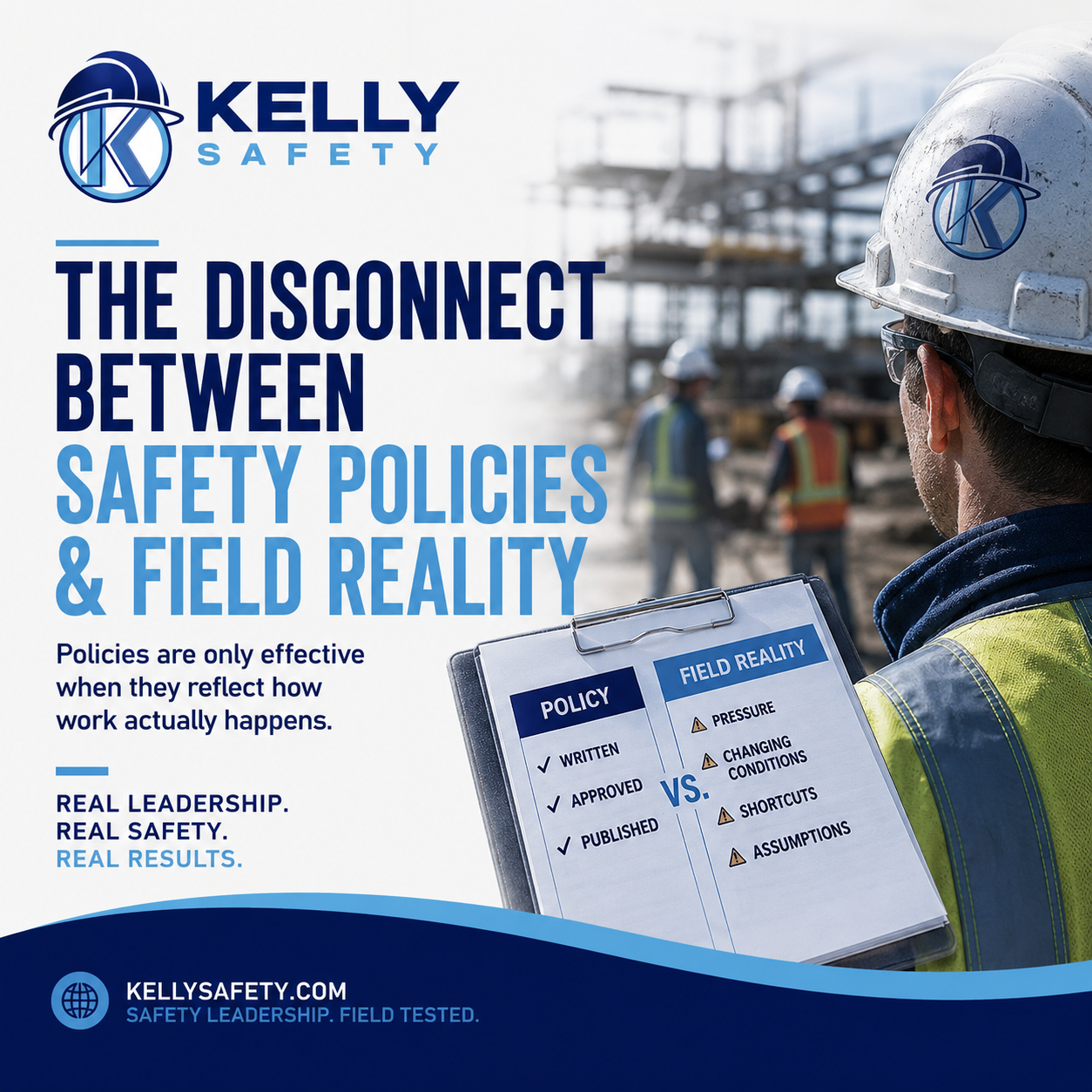
The Disconnect Between Safety Policies and Field Reality
Safety policies are designed to reduce risk, but when they become disconnected from field reality, workers stop buying into them. Learn why this disconnect happens and how strong leadership closes the gap.
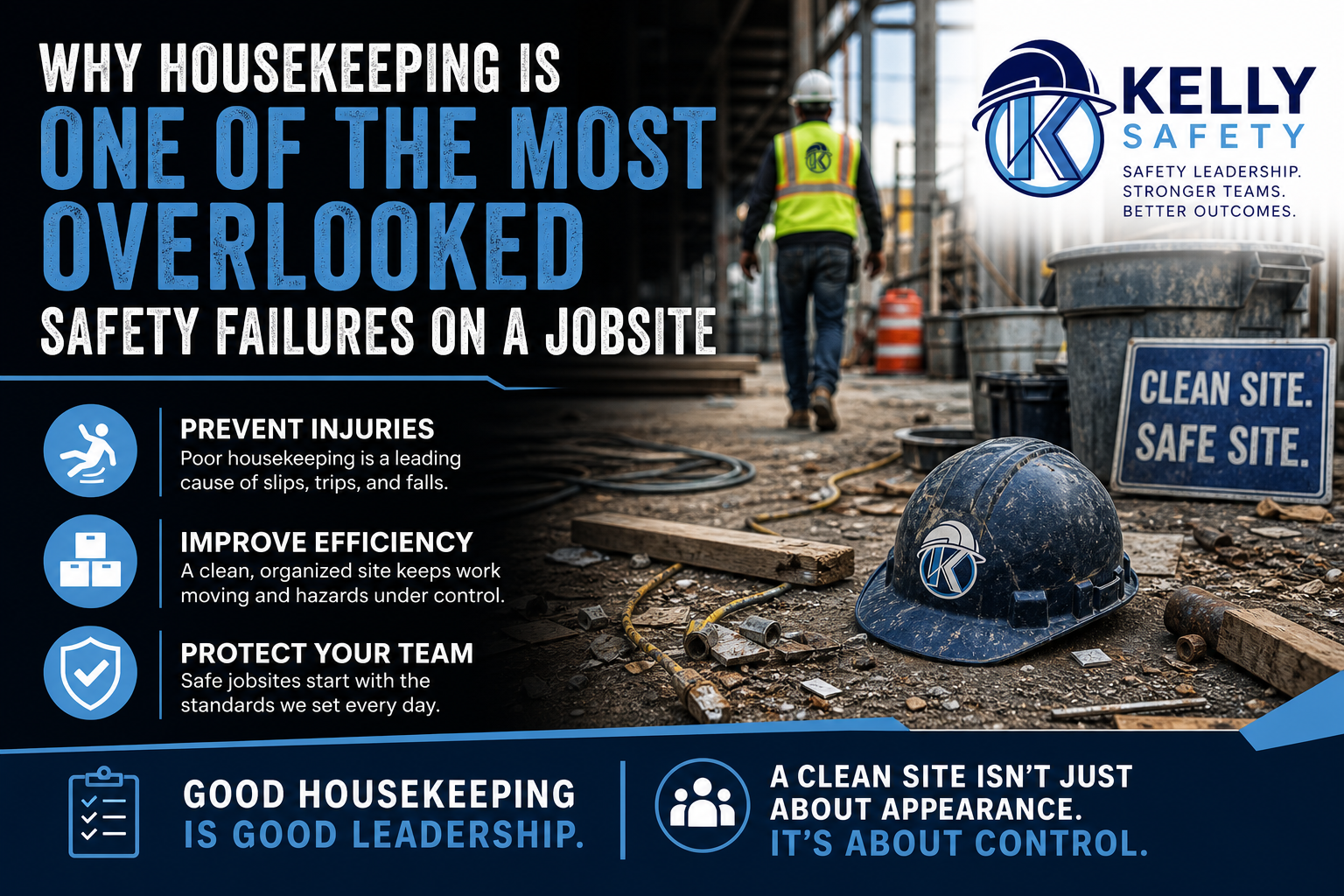
Why Housekeeping Is One of the Most Overlooked Safety Failures on a Jobsite
Housekeeping is often treated as a minor issue on jobsites, but it consistently contributes to real safety failures. As materials, tools, and debris accumulate, small oversights begin to create larger hazards that impact movement, visibility, and overall control of the work environment. The risk is not in any single condition, but in how quickly those conditions build when they are not addressed consistently.
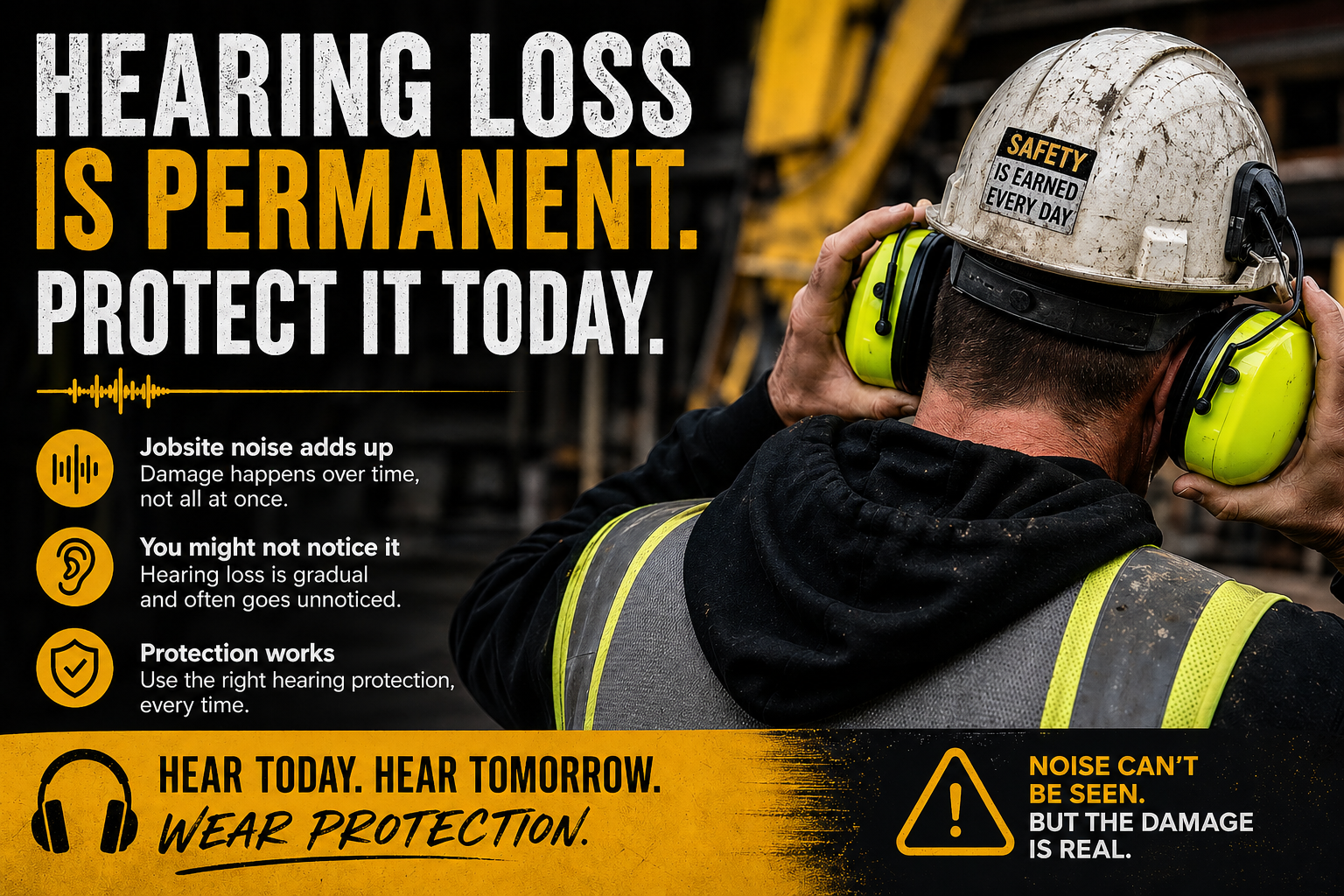
Why Hearing Loss Is One of the Most Ignored Hazards on a Jobsite (And How It Happens)
Hearing conservation is critical in construction and industrial safety. Prolonged exposure to high noise levels can lead to permanent hearing loss. Learn how jobsite noise impacts workers and how to reduce risk through proper protection and awareness.
Why Contractors Get Hurt During Shutdowns and Turnarounds (And How to Prevent It)
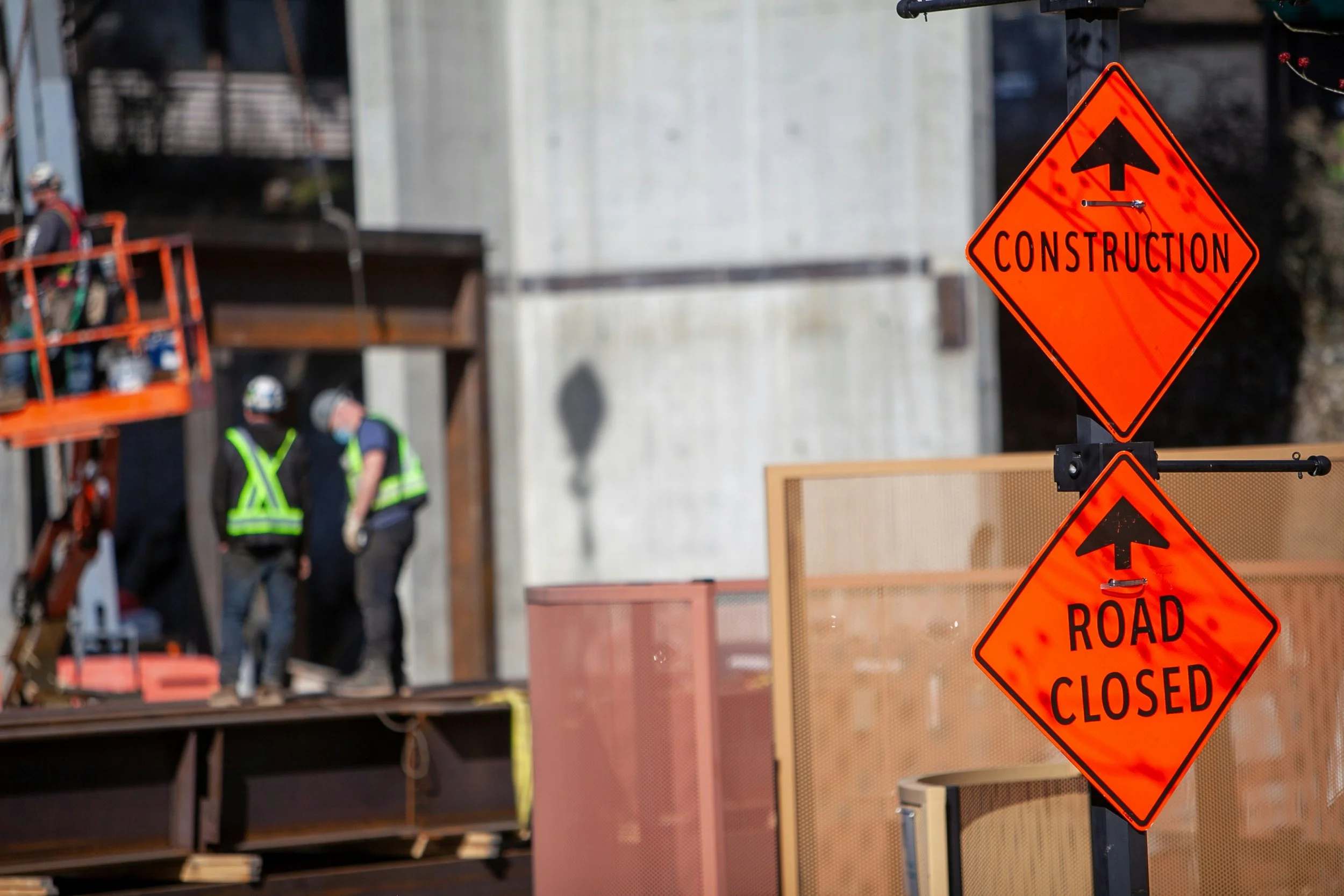
Shutdowns and turnarounds are some of the highest-risk periods in construction and industrial work. With more crews, overlapping tasks, and increased time pressure, small mistakes can turn into serious incidents. Learn why contractors get hurt and how to stay in control.
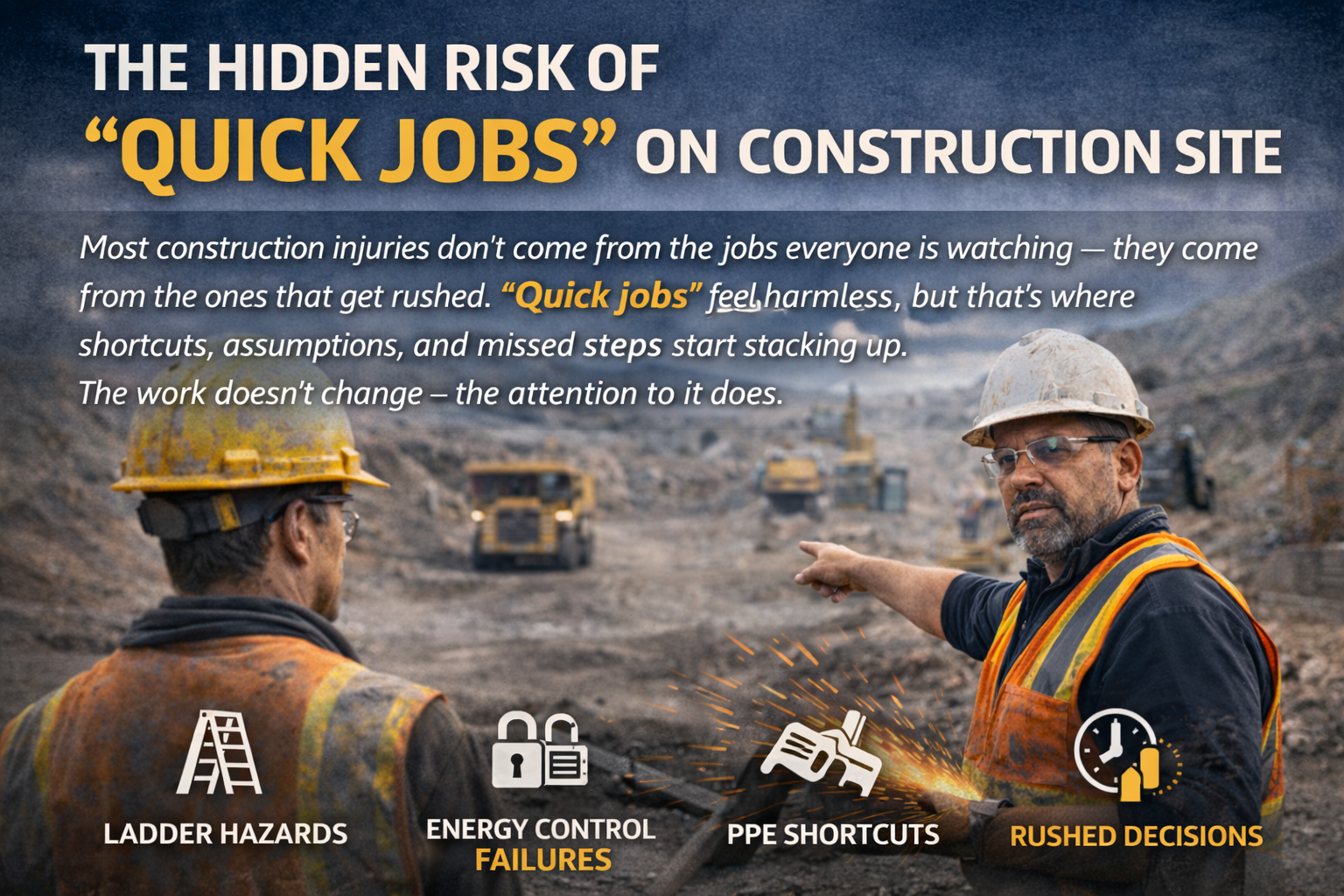
The Hidden Risk of “Quick Jobs” on a Construction Site (And Why They Cause Injuries)
Most construction injuries don’t come from the jobs everyone is watching; they come from the ones that get rushed. “Quick jobs” feel harmless, but that’s where shortcuts, assumptions, and missed steps start stacking up. The work doesn’t change — the attention to it does.
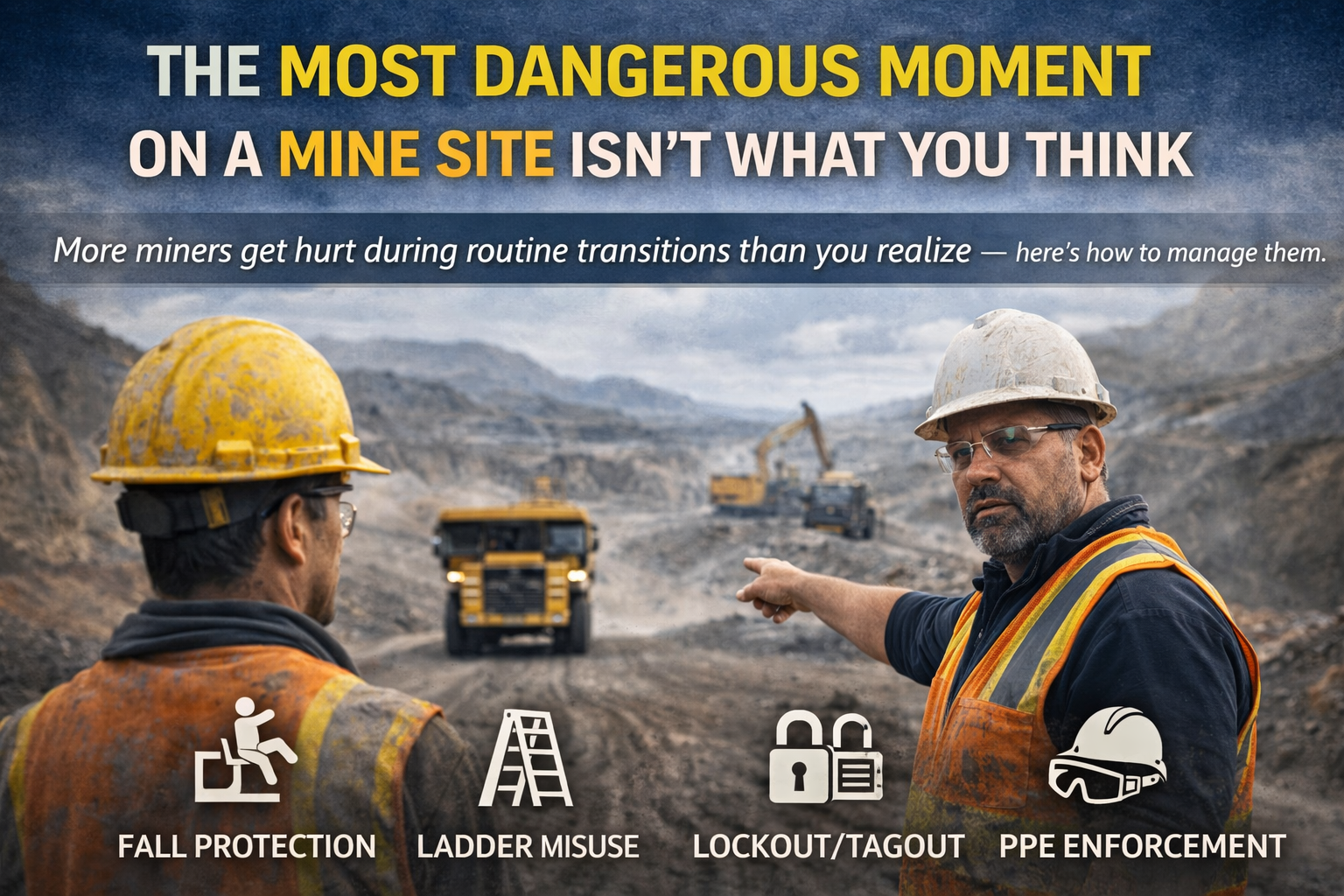
The Most Dangerous Moment on a Mine Site Isn’t What You Think
Most mining incidents don’t happen during blasting or heavy production; they happen in the moments nobody is paying attention to. Shift changes, task transitions, and movement across the site create gaps where communication breaks down and assumptions take over. That’s where risk quietly builds.
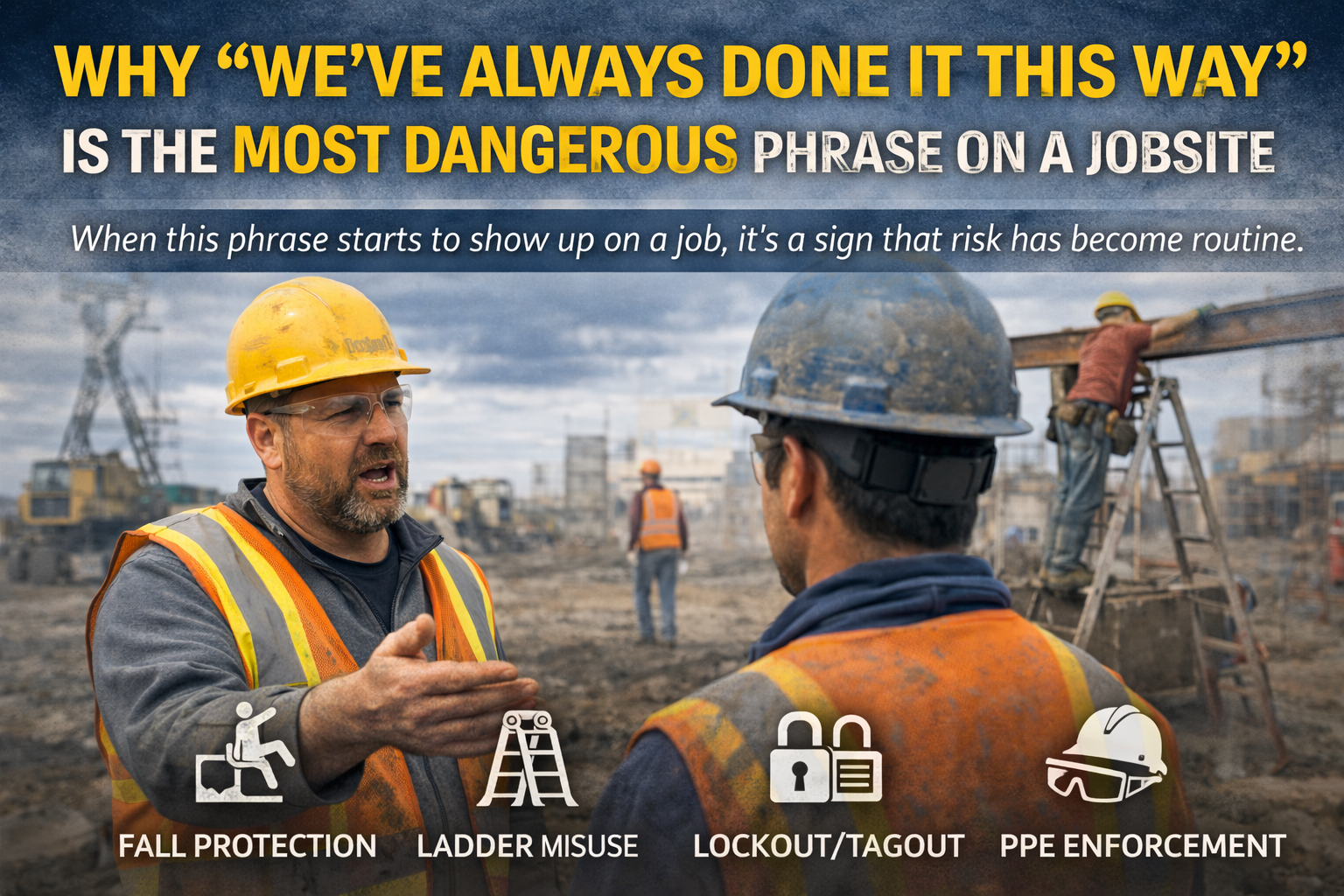
Why “We’ve Always Done It This Way” Is the Most Dangerous Phrase on a Jobsite
Most safety incidents don’t come from reckless workers — they come from routine habits that were never questioned. The phrase “we’ve always done it this way” might sound harmless, but on a jobsite, it’s often a warning sign. It means risk has become normal.
In this post, I break down why experience can turn into a blind spot, how shortcuts quietly become standard practice, and what separates professional crews from the ones that eventually get someone hurt.
The Most Common OSHA Safety Violations Contractors Get Cited For
Most OSHA citations don’t come from complicated safety failures; they come from the same preventable mistakes. Here are the most common violations contractors face and how to avoid them.
What Is Safety? A Question the Industry Still Gets Wrong
Safety is more than compliance, paperwork, and PPE. This thought-provoking article explores how leadership, culture, and daily decisions define what safety really means in construction, mining, and industrial work.
NFPA 70E: Why Electrical Safety Requires More Than Just PPE
NFPA 70E protects workers from electrical hazards like arc flash and shock. Learn why compliance requires planning, training, and strong safety systems.

HAZWOPER Training: Why Hazardous Waste Safety Can’t Be Treated as One-and-Done
HAZWOPER is one of those words that immediately gets a reaction. For some, it means paperwork and refresher deadlines. For others, it means serious work in serious environments, chemical exposure, unknown hazards, emergency response, and situations where mistakes don’t come with second chances.
“Those Glass Eyes can’t see sh!t!…”:The Realities of Eye Protection
Eye injuries are some of the most common and most underestimated, injuries on a jobsite. I’ve watched workers shake off close calls like they were nothing: sparks in the face, dust clouds, flying chips, chemical splashes that barely missed. Too often, people treat their eyes like they’re tougher than the rest of their body. They’re not.
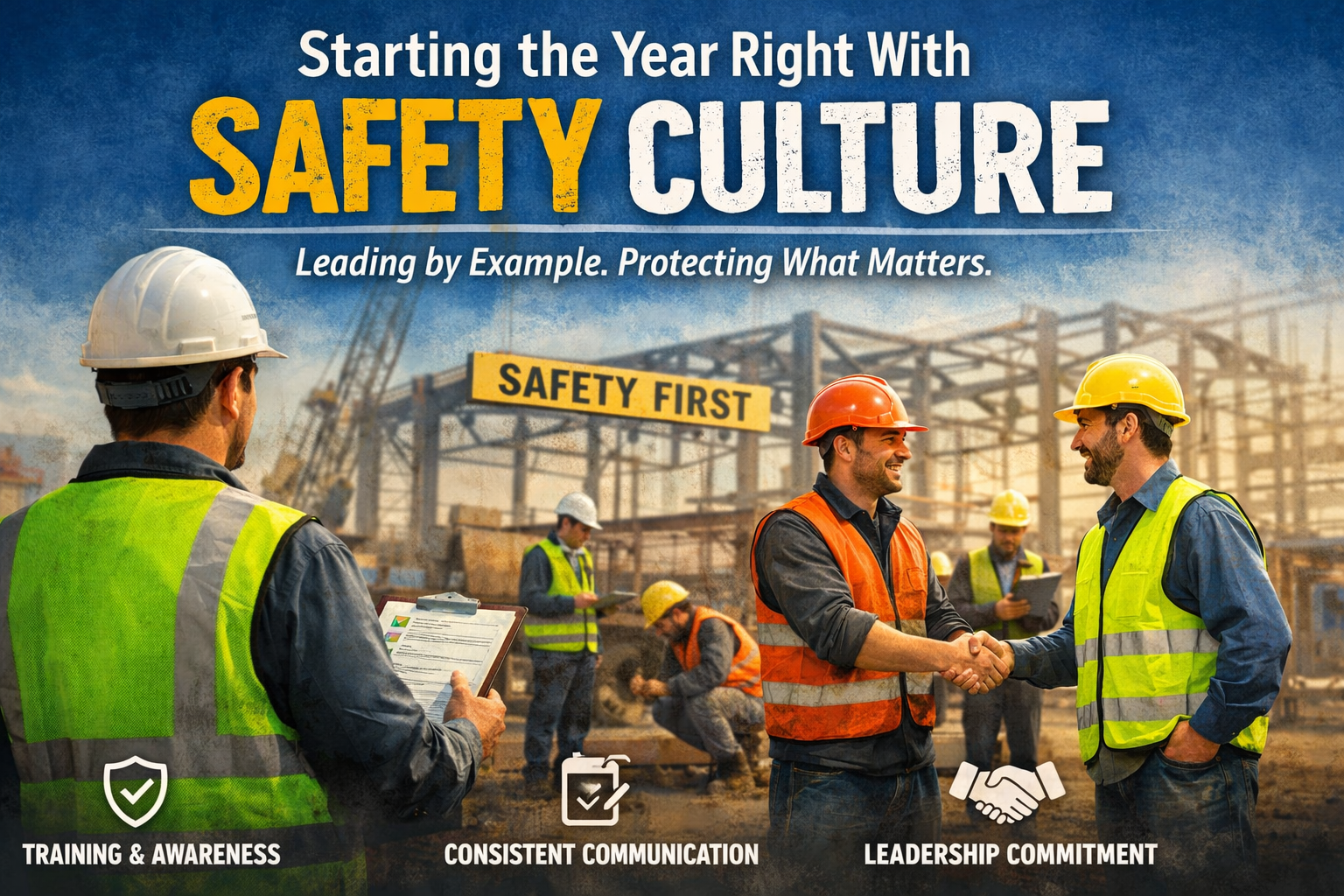
Starting the Year Right With Safety Culture: Setting the Tone That Protects People All Year Long
Every year starts the same way for a lot of companies. New goals. New schedules. New production targets. What often gets overlooked is the one thing that determines whether any of those goals are reached…safely culture.
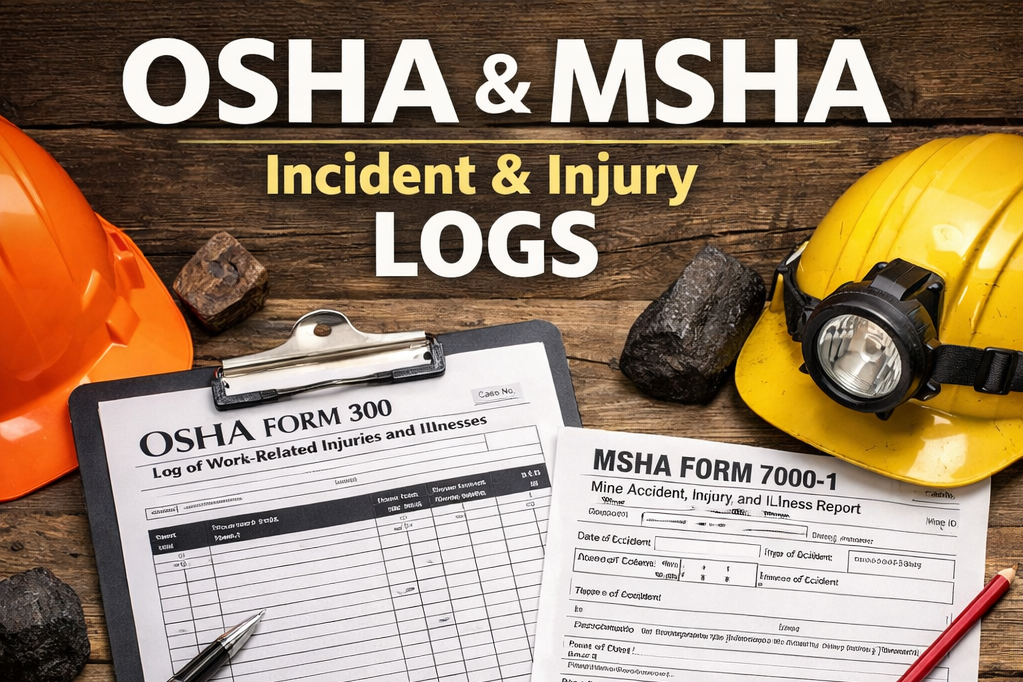
OSHA 300 Logs and MSHA Quarterly Reporting: What Strong Safety Programs Get Right
Every contractor says they care about safety. But when I walk into an operation, I can tell very quickly how seriously safety is taken by how incident reporting is handled. OSHA 300 logs and MSHA quarterly reporting are often treated like administrative chores something to rush through at the end of the month or quarter. In reality, these records say far more about a company’s safety culture than most people realize.
Improving Safety Through Membership: Why Ongoing Safety Management Outperforms One-Time Training
For years, the safety industry has leaned heavily on one-time training. Take a course. Check the box. Print the certificate. Move on.
But anyone who has spent real time on jobsites knows the truth: safety problems don’t happen once a year. They happen on Mondays. They happen during outages. They happen when crews change, schedules slip, or pressure rises.
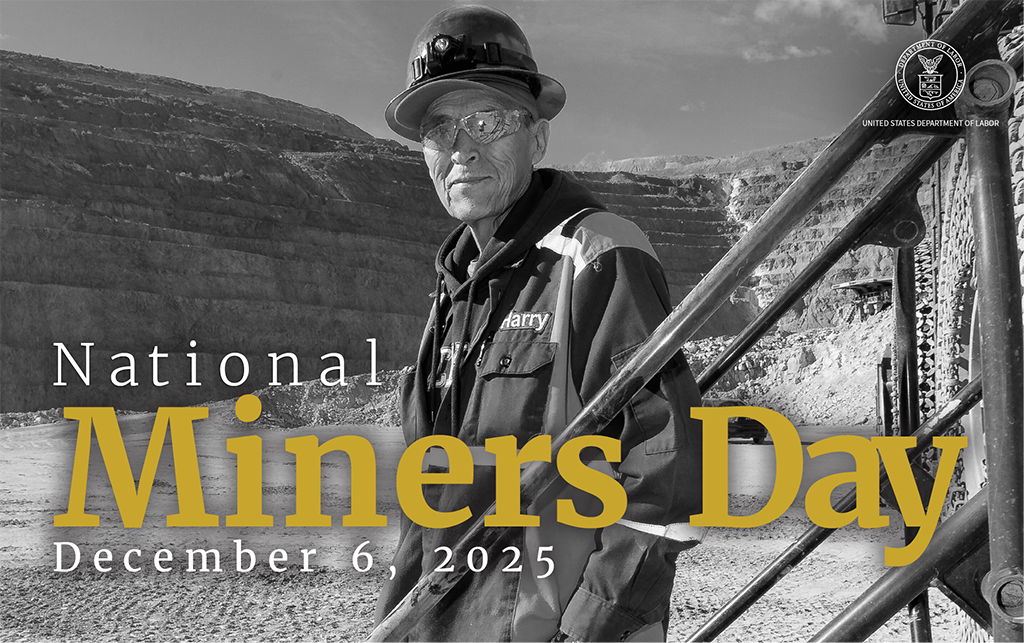
Honoring Miners on National Miners Day: Why Safety Remains Non-Negotiable
Every year on December 6, we pause to honor one of the toughest and most vital workforces in America; our miners. National Miners Day is a tribute to the men and women who extract the resources that literally build our country: the rock beneath our highways, the minerals in our phones, the cement in our homes, the metals in our hospitals and schools.
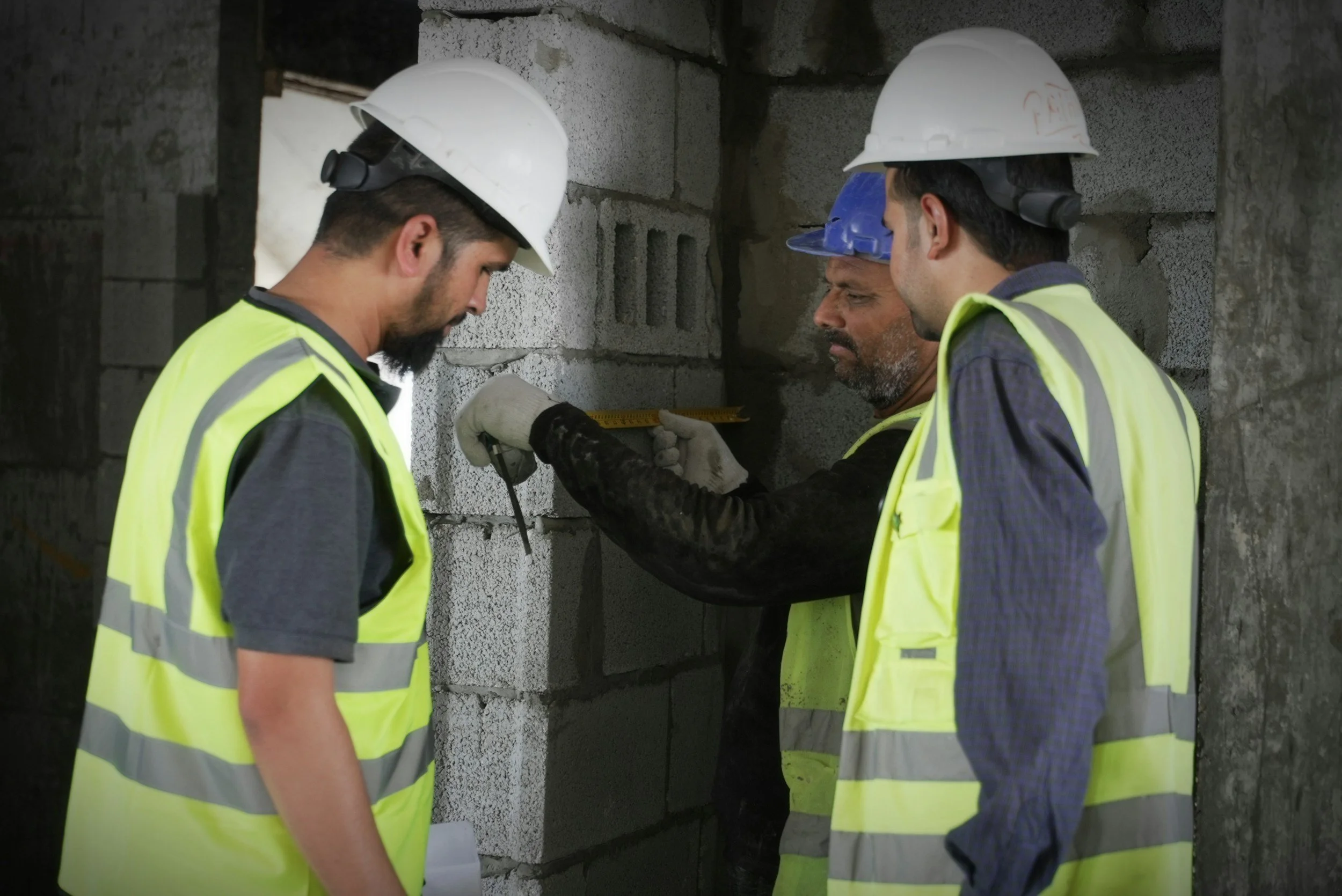
The Hidden Danger of First-Day Workers: Why New Hire Orientation Matters More Than Anything Else
The First Day Isn’t Just Another Day
I’ve seen it more times than I can count: a new hire walks onto a jobsite, eager to prove themselves, and within hours, they’re in danger, sometimes without even realizing it. The first day on the job isn’t just about paperwork or signing up for benefits. It’s the moment when habits, understanding, and attitudes toward safety are set. A rushed or generic orientation can turn eager workers into accident statistics. That’s why at Kelly Safety, we treat new hire orientation as the cornerstone of every safety program.
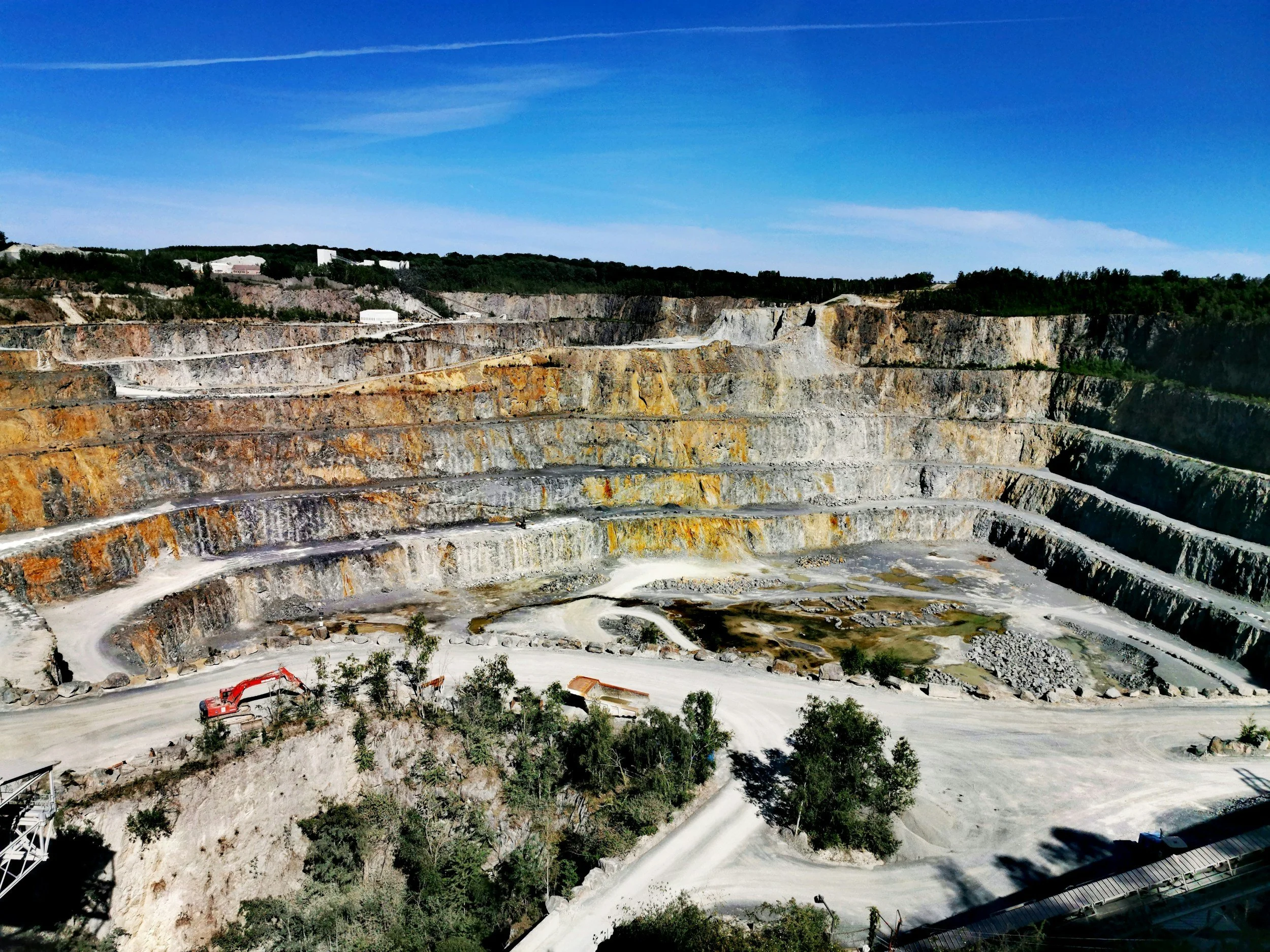
Mine Site Communication Breakdown: Why Workers Miss Hazards They See Every Day
Mine sites move fast, conditions change, crews rotate, equipment shifts, and yet one issue consistently shows up across operations: communication failures. After years of walking sites throughout the Southeast, I’ve learned that most workers don’t ignore hazards; they simply don’t recognize them anymore.
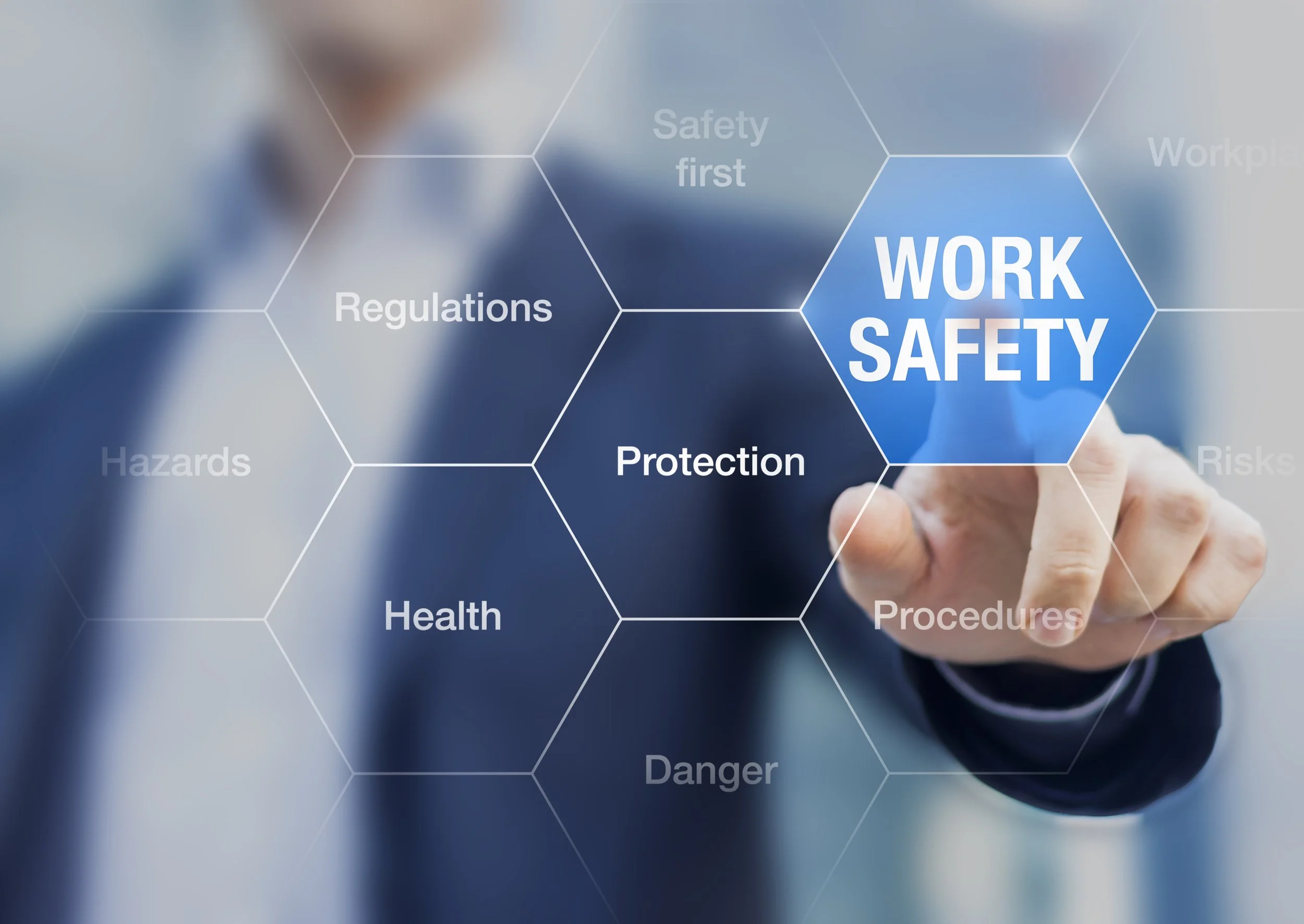
The ROI of Safety Training: How Smart Contractors Turn Compliance into Profit
When most contractors hear “safety training,” they think of compliance, checklists, and regulations. But for those who look deeper, safety isn’t just about following rules, it’s about protecting your bottom line. The smartest contractors in today’s market understand that every dollar invested in training pays itself back in fewer incidents, lower insurance premiums, stronger client trust, and higher productivity.